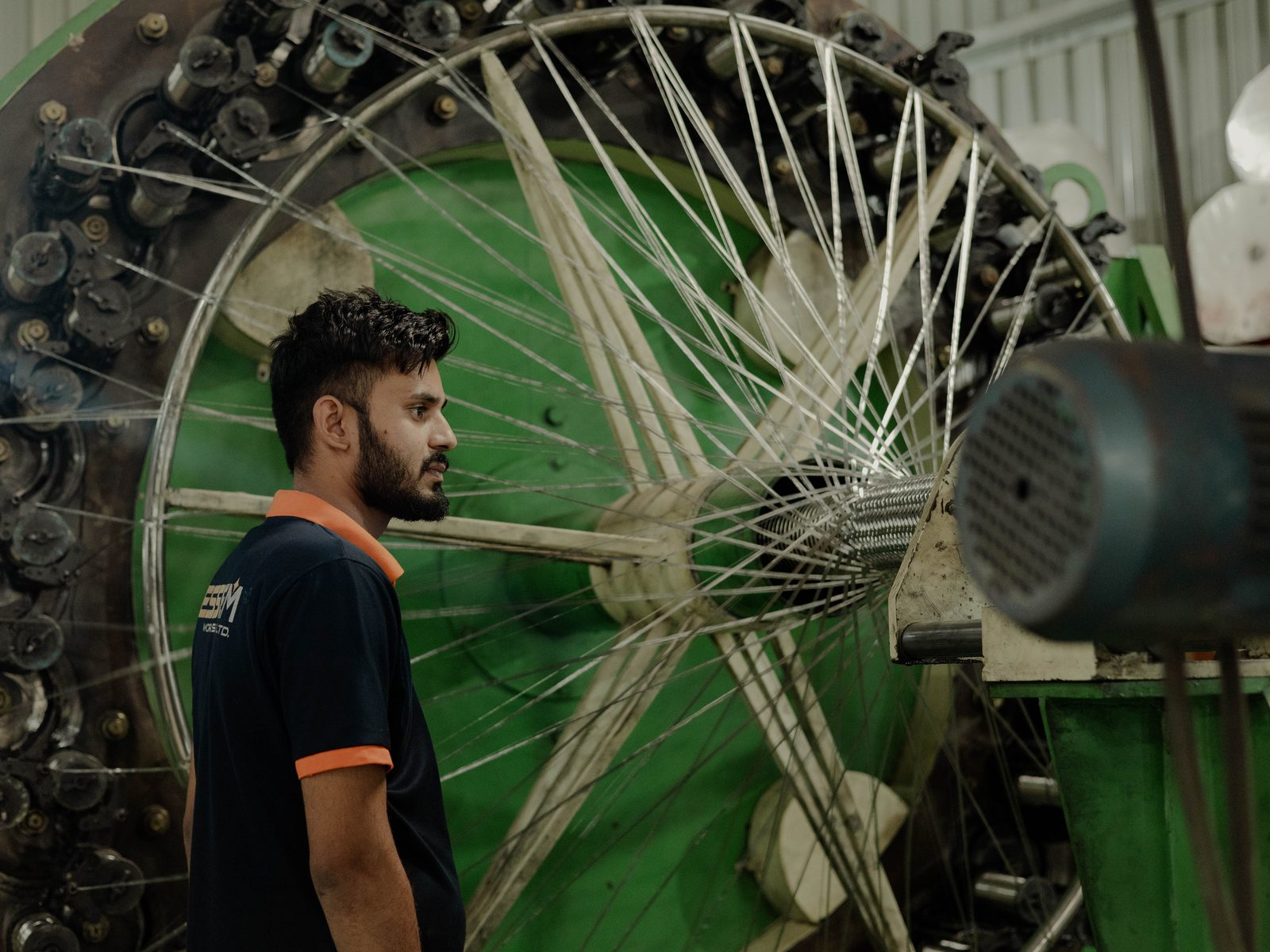
See the works in motion.
Inside the unit at Moraiya — corrugating, braiding, welding and hydrostatic testing, filmed where it happens.
- Chemical
- Oil & Gas
- Petrochemical
- Power Generation
- Pharmaceutical
- Food & Beverage
- Steel & Cement
- Semiconductor
- Data Centres
- Marine
- Water Treatment
- Automotive
- LNG & Cryogenics
- Pulp & Paper
- Chemical
- Oil & Gas
- Petrochemical
- Power Generation
- Pharmaceutical
- Food & Beverage
- Steel & Cement
- Semiconductor
- Data Centres
- Marine
- Water Treatment
- Automotive
- LNG & Cryogenics
- Pulp & Paper
Products & capability.
Bellows · Fittings
Three families.
One standard.
Everything is manufactured at Moraiya. Standard configurations are built quickly from stock material; anything on this page can be made to a drawing, in whatever end connection the job needs, in 304L, 316L or 321.
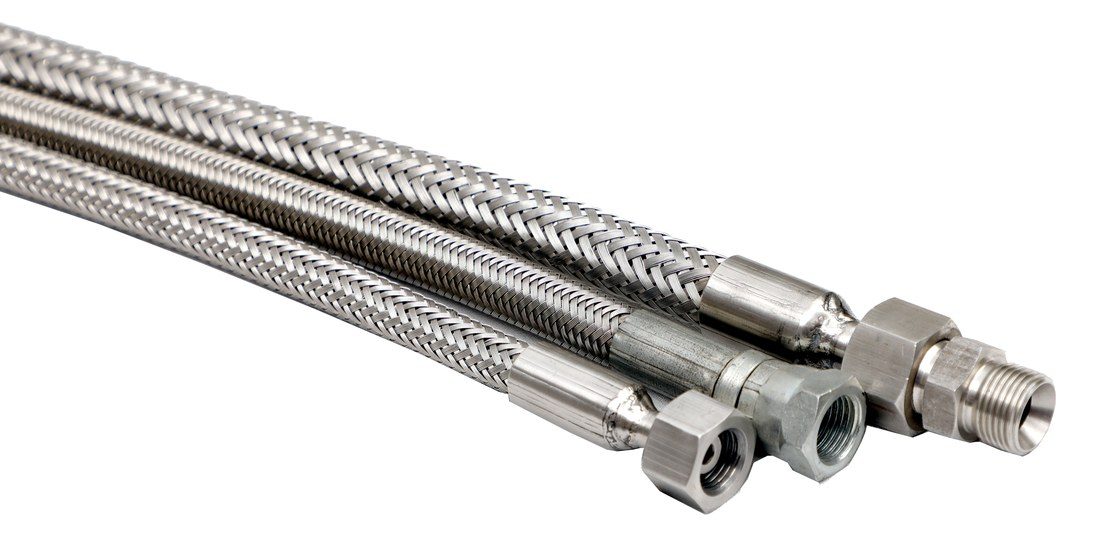
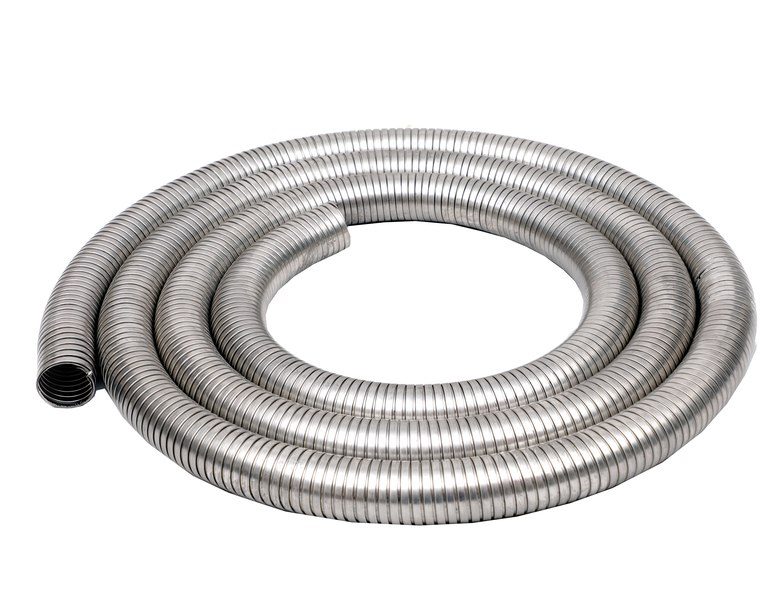
SS Braided Corrugated Hose
Annular corrugated stainless tube with wire braid. Pressure-tight, flexible, and the workhorse of the range.
- Size rangeDN6 – DN350
- Grades304L · 316L · 321
- Temperature−196 to +450 °C
- StandardISO 10380
SS Interlock Hose
Helically wound profiled strip. Built for heat, abrasion, vibration damping and mechanical protection — deliberately not pressure-tight.
- Size rangeDN6 – DN200
- Grades304 standard · 316 · 321
- Temperature700 °C SS304 · 800 °C SS321
- StandardISO 15465
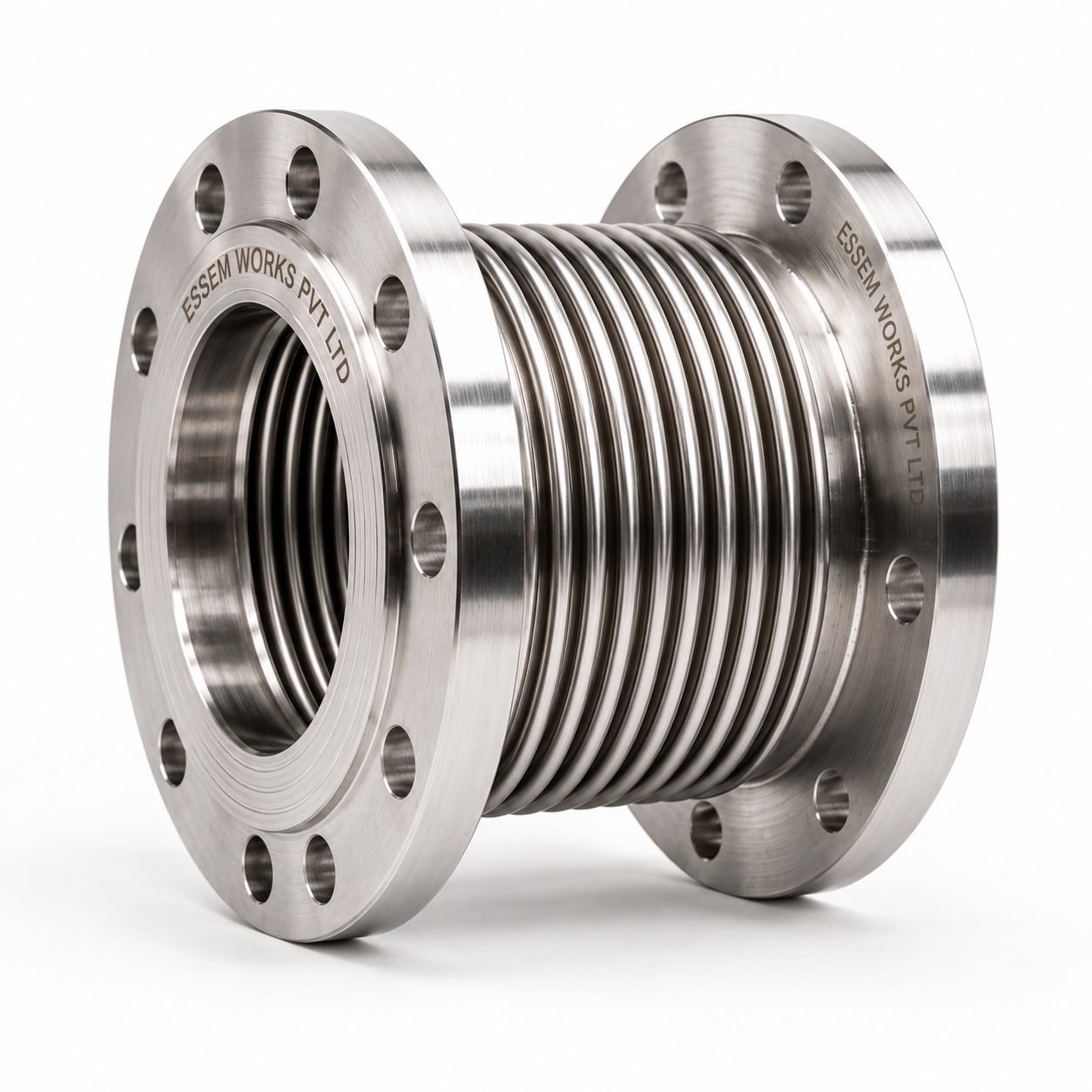
Bellows & Expansion Joints
Multi-ply bellows with the hardware that decides which movements it takes and where the thrust goes.
- Size rangeDN50 – DN3000
- Configurations8 — axial to gimbal
- PressureFull vacuum to 50 barg
- StandardEN 14917:2021 · EJMA 11th
Numbers we
stand behind.
Every figure we publish is a working figure with its basis stated. The pressure tables carry a four-to-one burst margin, the derating factors follow the ISO 10380 proof-stress basis, and the velocity limits are the conservative ones. Where two bases disagree, we publish the lower.
From a 6 mm instrument tail to a three-metre bellows — every pressure assembly is hydrostatically tested before it leaves, and the certificate travels with it.
What we test, and what we do not →Where Essem shows up.
Mapped duty by duty
Where Essem shows up.
Twenty sectors, each mapped duty by duty to the product that answers it — along with the failure mechanism to watch for and the grade we would actually specify.
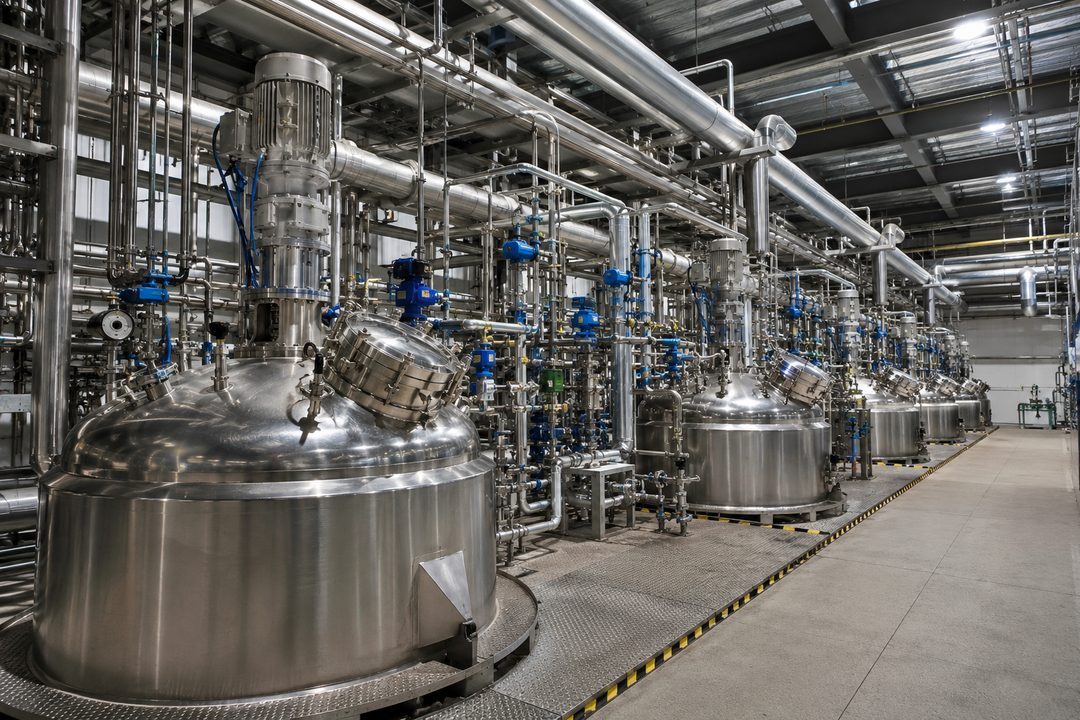
Chemical & Petrochemical
Acid and solvent transfer, reactor nozzles, vibration isolation

Oil, Gas & Refinery
Process lines, flare connections, loading and pump duty
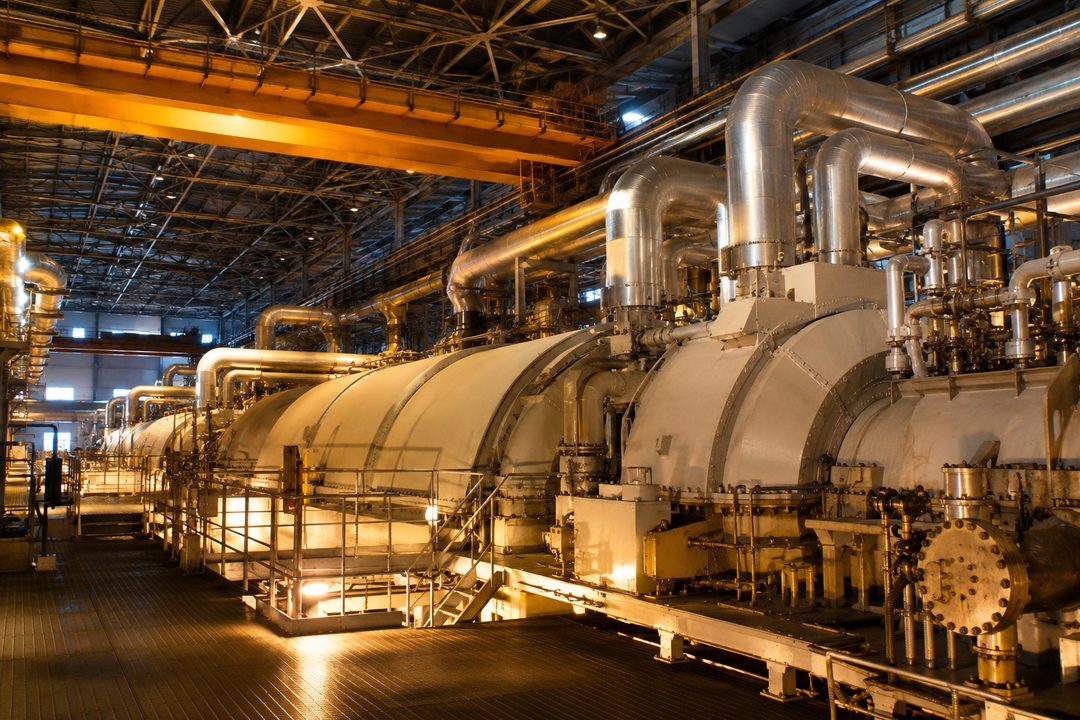
Power Generation
Steam headers, condenser connections, thermal growth

Pharmaceutical
WFI loops, SIP lines, documented surface finish
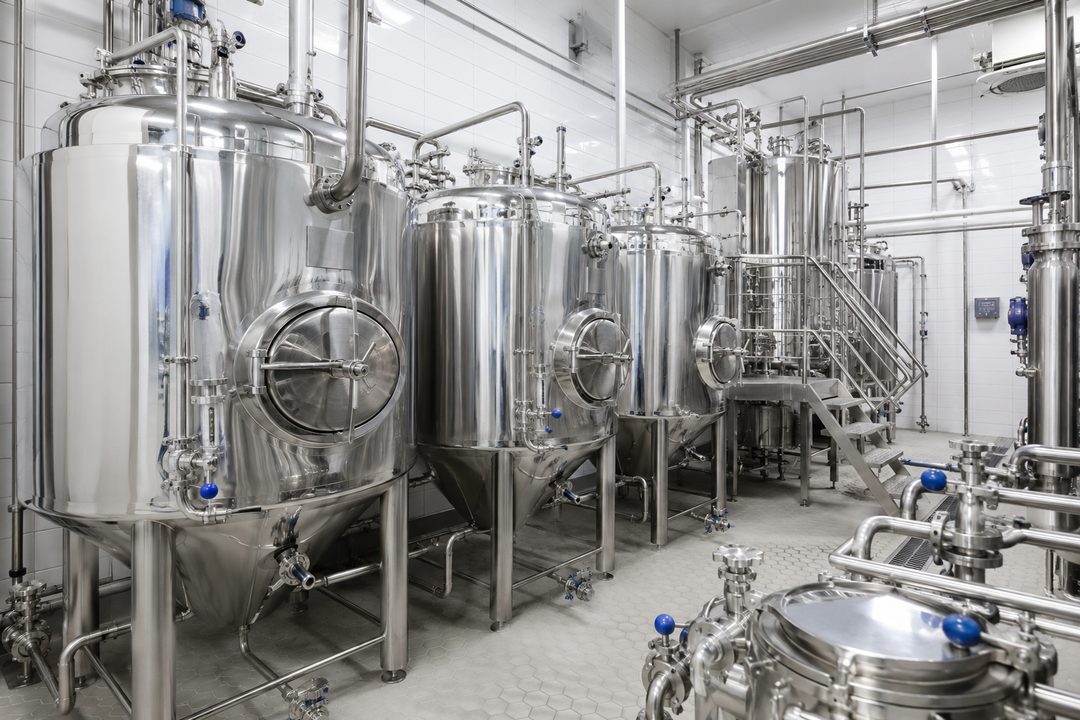
Food & Beverage
Sanitary transfer, CIP returns, tri-clamp assemblies
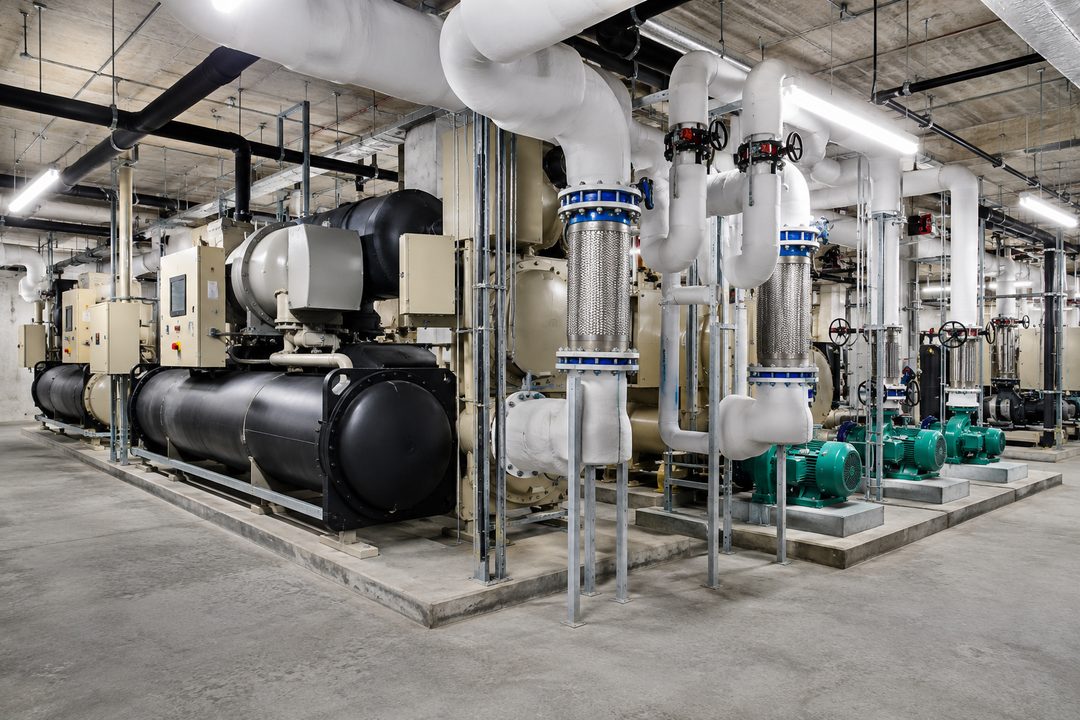
Data Centres
Direct liquid cooling, CDU and rack manifold connections
From line drawing
to certified ferrule.
Four stages, and you see the drawing before we cut anything. Most assemblies that fail early were ordered from three pieces of information when they needed seven — this is how we stop that happening.
Specify
Seven inputs decide an assembly. An enquiry that arrives as “2 inch SS hose” gets a question back rather than a price.
The seven inputs →Draw
You get an approval drawing before anything is cut, with the live length, the bend radius and the derated pressure on it.
How we size length →Build
Corrugated, braided and TIG welded at Moraiya. Never crimped — the joint is part of the pressure boundary.
Inside the works →Test & certify
Hydrostatic at 1.5 × working pressure on every pressure assembly, with the certificate travelling with the goods.
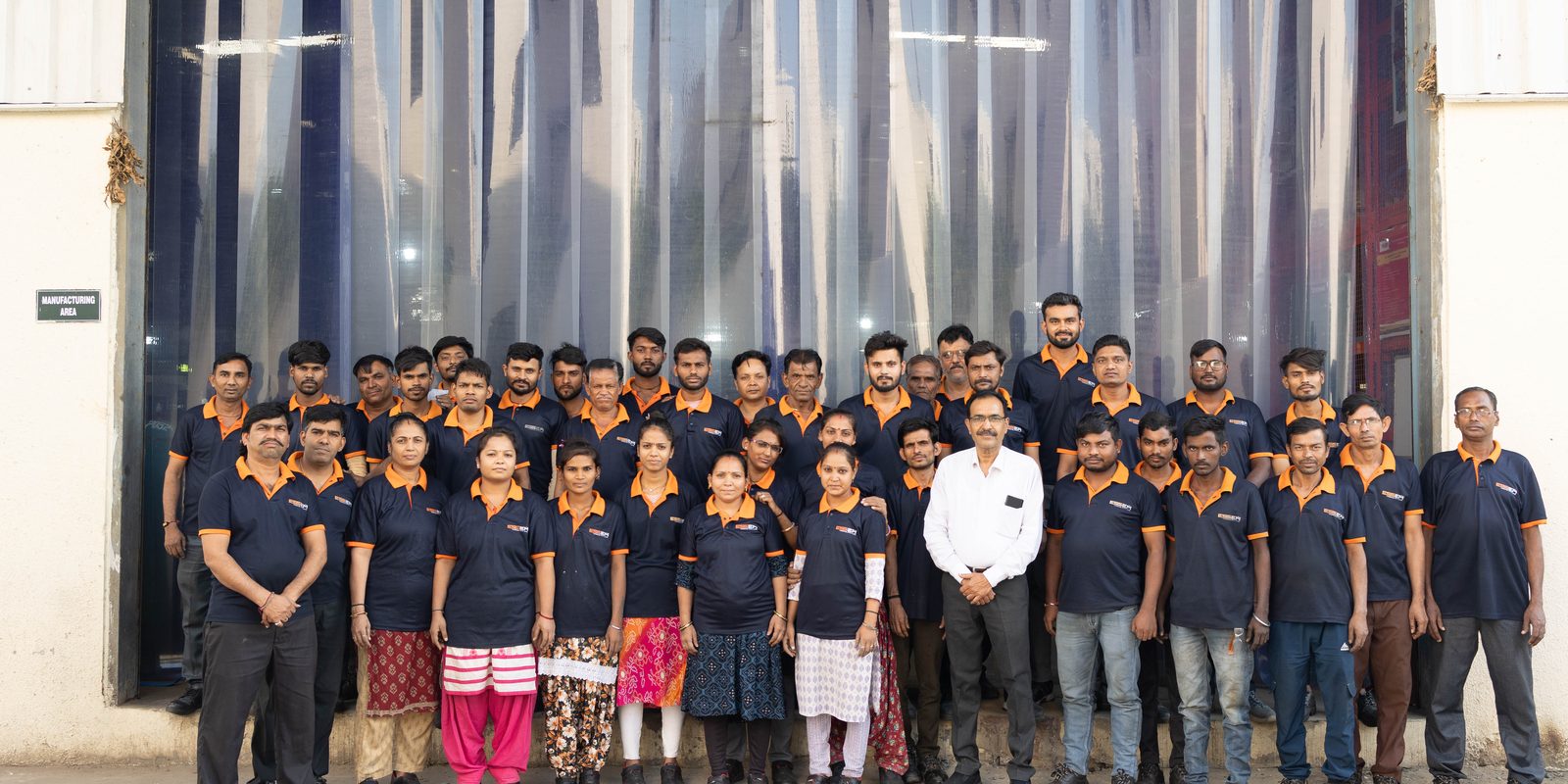
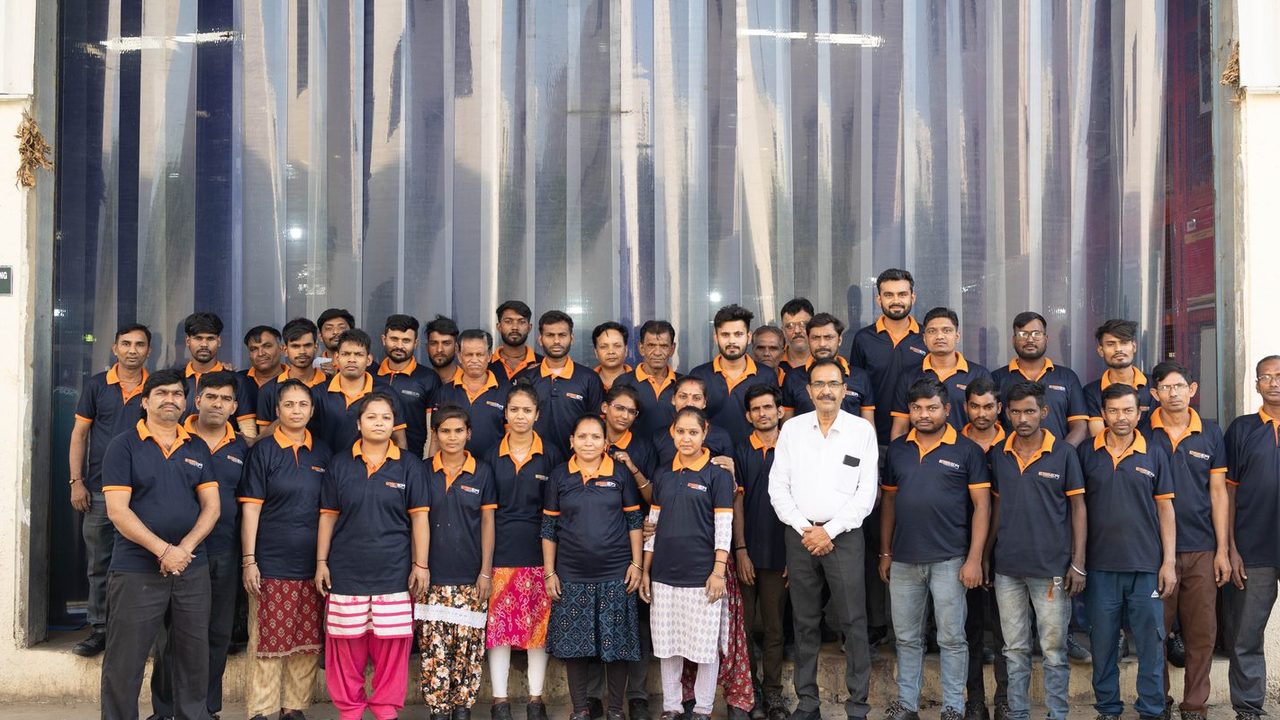
What we test →Led by a board.
Run by a shop floor.
Essem Works is part of the Essem Group, started in 2000 by the late Shri Shanabhai Motibhai Patel and his family. The hose company was founded in 2023 — new, and funded to be built properly rather than quickly.








Specified by plants that cannot afford downtime.
Refineries, gas transmission, cement, power, pharmaceutical manufacture, hydraulics and process OEMs.













Every bellows is calculated, drawn and signed off — fatigue life, squirm stability and spring rate documented per order.
Build with the
right lifeline.
Send the medium, pressure, temperature, movement and end connections — or just describe the problem. You get back a specified assembly and a drawing, and a price once the specification is settled.